1
/
/
7
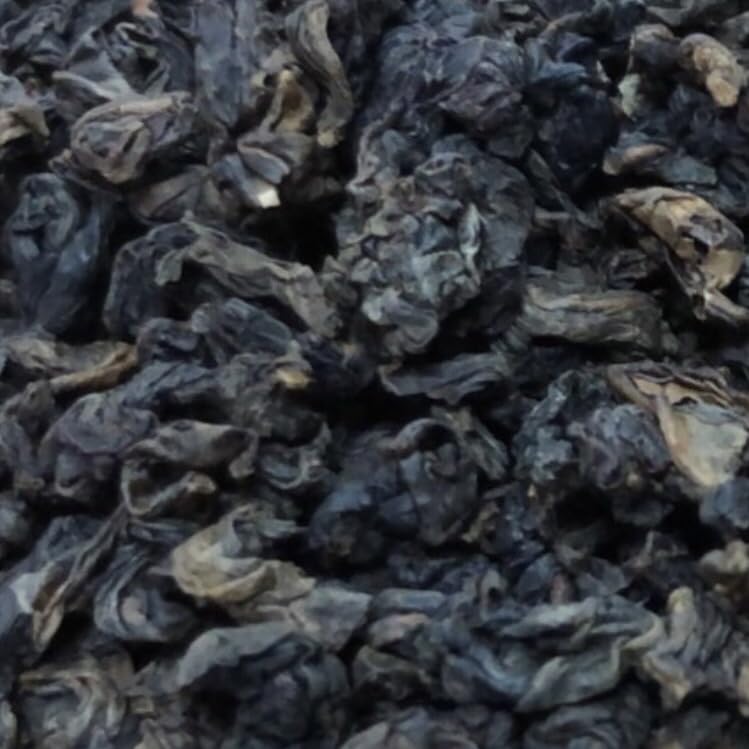
Taiwan unique tea,1980s,埔中 老武夷 Puzhong Old Wuyi,150g*4
Taiwan unique tea,1980s,埔中 老武夷 Puzhong Old Wuyi,150g*4
定價
$105.00 USD
定價
$0.00 USD
售價
$105.00 USD
結帳時計算運費。
In the 1980s (Republic of China calendar), handcrafted tea production in Mingjian Township, Nantou, was concentrated in the “Puzhong” area, commonly known as “Puzhong Tea,” with a history of over a hundred years. During the Qing Dynasty, a popular saying among tea makers in central and southern Taiwan went: “First Yan, second Ding, third Puzhong,” referring respectively to Meishan Longyanlin, Lugu Dongding, and Mingjian Puzhong.
Traditional tea production—from planting and picking to roasting—relied entirely on manual labor. In the 1980s, Nantou’s Puzhong Wuyi Tea traced its lineage to the renowned Wuyi Rock Tea of Fujian. Wuyi tea favors a heavier fermentation process, resulting in a long-lasting flavor, rich aftertaste, and distinctive aroma. Over decades, Wuyi Oolong evolved in Taiwan into a unique aged Oolong style—mellowed, fragrant, and refined, with a dynamic tea energy that brings comfort to both body and mind.
Drinking aged tea is not only about savoring its flavor but also about appreciating the transformation of time. When properly aged, the tea’s internal compounds can even offer health benefits. A local saying goes: “A household that treasures aged tea will prosper, and its hearth will burn bright.”
In the early Republic era, historian Lien Heng wrote in Tea Talks: “Taiwanese tea connoisseurs, like those from Zhangzhou, Quanzhou, and Chaozhou, insist on three essentials—Wuyi tea, a Mengchen teapot, and a Ruozhen cup. Without these, one cannot take pride in tea, nor properly serve guests.”
Traditional tea production—from planting and picking to roasting—relied entirely on manual labor. In the 1980s, Nantou’s Puzhong Wuyi Tea traced its lineage to the renowned Wuyi Rock Tea of Fujian. Wuyi tea favors a heavier fermentation process, resulting in a long-lasting flavor, rich aftertaste, and distinctive aroma. Over decades, Wuyi Oolong evolved in Taiwan into a unique aged Oolong style—mellowed, fragrant, and refined, with a dynamic tea energy that brings comfort to both body and mind.
Drinking aged tea is not only about savoring its flavor but also about appreciating the transformation of time. When properly aged, the tea’s internal compounds can even offer health benefits. A local saying goes: “A household that treasures aged tea will prosper, and its hearth will burn bright.”
In the early Republic era, historian Lien Heng wrote in Tea Talks: “Taiwanese tea connoisseurs, like those from Zhangzhou, Quanzhou, and Chaozhou, insist on three essentials—Wuyi tea, a Mengchen teapot, and a Ruozhen cup. Without these, one cannot take pride in tea, nor properly serve guests.”
Product features
Product features
Materials and care
Materials and care
Merchandising tips
Merchandising tips
Share